Revolutionizing Infections: Antibacterial Drone Explained
- Richard Novick
- Oct 1, 2025
- 4 min read

In a world where infections can spread rapidly and pose serious health risks, innovative solutions are essential. One such solution is the development of antibacterial drones. These high-tech devices are changing the way we approach infection control. Imagine a drone that can deliver antibacterial agents directly to areas that need them most. This technology is not just a concept; it is becoming a reality.
In this blog post, we will explore how antibacterial drones work, their potential applications, and the impact they could have on public health.
What Are Antibacterial Drones?
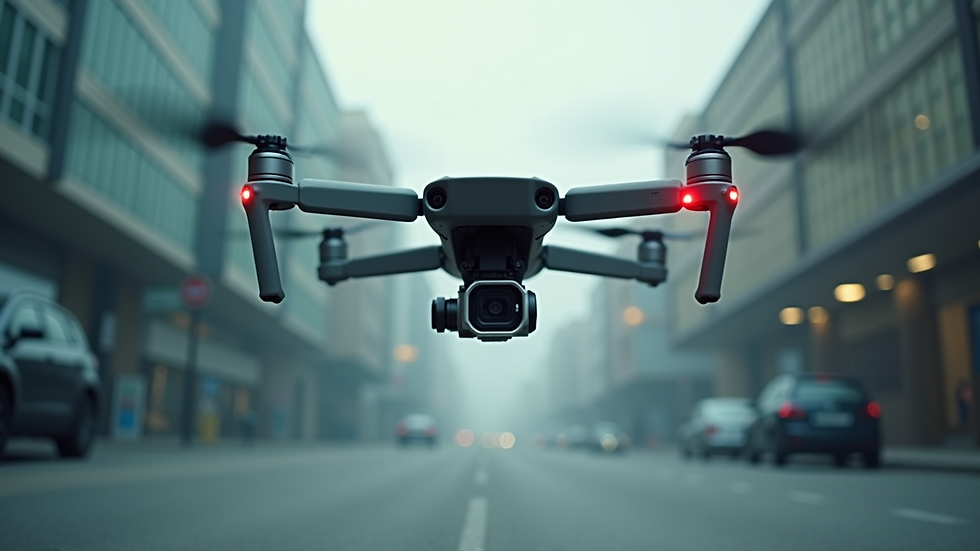
Antibacterial drones are unmanned aerial vehicles designed to combat infections. They are equipped with technology that allows them to spray antibacterial agents in targeted areas. This can include hospitals, schools, and public spaces.
The primary goal of these drones is to reduce the spread of harmful bacteria and viruses. By delivering disinfectants and antibacterial solutions, they can help create safer environments for everyone.
How Do Antibacterial Drones Work?
Antibacterial drones operate using a combination of advanced technology and chemical solutions. Here’s a breakdown of their functionality:
Navigation and Control: These drones are equipped with GPS and advanced navigation systems. This allows them to fly to specific locations with precision.
Spraying Mechanism: The drones have built-in tanks that hold antibacterial solutions. When they reach their destination, they can spray these solutions over a wide area.
Sensors and Monitoring: Many antibacterial drones come with sensors that can detect the presence of bacteria. This helps them identify areas that require immediate attention.
Data Collection: Some drones can collect data on the effectiveness of the antibacterial agents used. This information can be valuable for future applications and improvements.
By combining these technologies, antibacterial drones can effectively target and eliminate harmful pathogens in various environments.
Applications of Antibacterial Drones
The potential applications of antibacterial drones are vast. Here are some key areas where they can make a significant impact:
1. Healthcare Facilities
Hospitals and clinics are often hotspots for infections. Antibacterial drones can be used to disinfect waiting rooms, operating theaters, and patient rooms.
For example, a hospital could deploy a drone to spray antibacterial agents in areas where patients with infectious diseases have been treated. This can help prevent the spread of infections to other patients and staff.
2. Public Spaces
Public areas such as parks, schools, and transportation hubs can also benefit from antibacterial drones. These drones can be used to disinfect surfaces that are frequently touched, such as benches, playground equipment, and handrails.
Imagine a drone flying over a busy park, spraying antibacterial solutions to keep the area safe for families and children. This proactive approach can significantly reduce the risk of infections in public spaces.
3. Disaster Relief
In the aftermath of natural disasters, the risk of infections can increase due to unsanitary conditions. Antibacterial drones can be deployed to disinfect affected areas quickly.
For instance, after a flood, a drone could spray antibacterial agents in shelters and temporary housing to protect displaced individuals from infections.
4. Agriculture
In agriculture, antibacterial drones can help control bacterial infections in crops. By spraying antibacterial solutions, farmers can protect their plants from diseases that could threaten their harvests.
This application not only helps in maintaining crop health but also ensures food safety for consumers.
Benefits of Using Antibacterial Drones
The use of antibacterial drones offers several advantages:
Efficiency: Drones can cover large areas quickly, making them more efficient than traditional cleaning methods.
Precision: With advanced navigation systems, drones can target specific areas that need disinfection.
Reduced Labor Costs: Automating the disinfection process can save time and reduce the need for manual labor.
Enhanced Safety: By minimizing human exposure to potentially harmful chemicals, drones can help protect workers and the public.
Challenges and Considerations
While antibacterial drones present exciting opportunities, there are challenges to consider:
Regulations: The use of drones is subject to regulations that vary by region. Navigating these regulations can be complex.
Public Acceptance: Some people may be hesitant to accept drones in public spaces. Education and transparency about their use are essential.
Technical Limitations: The effectiveness of antibacterial drones depends on the technology used. Continuous improvements are necessary to ensure optimal performance.
The Future of Antibacterial Drones
As technology continues to advance, the future of antibacterial drones looks promising. Researchers are exploring new antibacterial agents and improving drone capabilities.
We may soon see drones equipped with artificial intelligence that can make real-time decisions about where to spray based on data collected during their flights.
Additionally, partnerships between technology companies and healthcare organizations could lead to more widespread adoption of this technology.
Real-World Examples
Several companies and organizations are already testing antibacterial drones in real-world scenarios. For instance, a hospital in the United States has successfully used drones to disinfect its facilities.
In another example, a city in Europe deployed drones to spray public parks during a health crisis. These initiatives have shown positive results, leading to discussions about expanding the use of drones in other areas.
Conclusion: A New Era in Infection Control
Antibacterial drones represent a significant advancement in the fight against infections. Their ability to deliver targeted disinfection solutions can help create safer environments for everyone.
As we continue to face challenges related to public health, embracing innovative technologies like antibacterial drones could be key to protecting our communities.
The future is bright for this technology, and it may very well revolutionize the way we approach infection control.


Comments