Antibacterial Drone: A New Hope Against Antibiotic Resistance
- Richard Novick
- Oct 1, 2025
- 4 min read

In recent years, antibiotic resistance has become a pressing global health issue. As bacteria evolve and become resistant to existing antibiotics, the medical community faces a daunting challenge. This situation calls for innovative solutions, and one such solution is the development of antibacterial drones. These high-tech devices could revolutionize how we combat infections and protect public health.
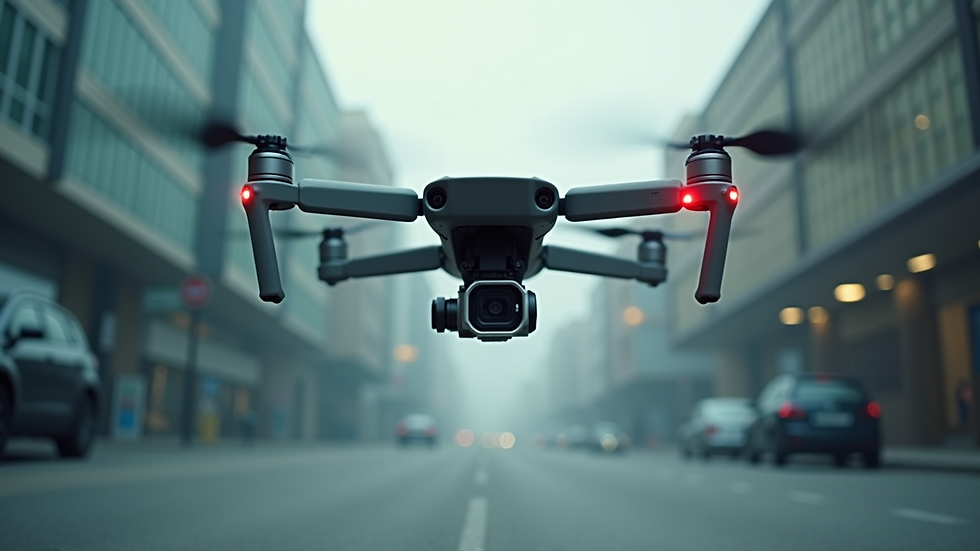
Antibacterial drones are not just a concept; they are becoming a reality. These drones can deliver targeted antibacterial agents directly to infected areas, minimizing the need for traditional antibiotics. This approach not only helps in treating infections but also reduces the risk of developing antibiotic-resistant bacteria.
In this blog post, we will explore how antibacterial drones work, their potential applications, and the impact they could have on the fight against antibiotic resistance.
Understanding Antibiotic Resistance
Antibiotic resistance occurs when bacteria change in response to the use of antibiotics. This can happen through various mechanisms, such as:
Genetic mutations: Bacteria can mutate and develop resistance to specific drugs.
Horizontal gene transfer: Bacteria can share resistance genes with one another.
Overuse and misuse of antibiotics: Taking antibiotics when they are not needed can contribute to resistance.
The World Health Organization (WHO) warns that antibiotic resistance could lead to a future where common infections become untreatable. This scenario emphasizes the need for new strategies to combat bacterial infections.
The Role of Drones in Healthcare
Drones have already made significant strides in various sectors, including logistics, agriculture, and disaster response. In healthcare, they offer unique advantages:
Rapid delivery: Drones can quickly transport medical supplies to remote or underserved areas.
Precision targeting: Drones can deliver treatments directly to the site of infection, reducing the need for systemic antibiotics.
Cost-effectiveness: Using drones can lower transportation costs and improve access to healthcare.
These benefits make drones an attractive option for addressing antibiotic resistance.
How Antibacterial Drones Work
Antibacterial drones are equipped with advanced technology that allows them to identify and target infected areas. Here’s how they operate:
Detection: Drones can be fitted with sensors to detect bacterial infections in specific locations. This could involve using thermal imaging or other diagnostic tools.
Delivery: Once an infection is identified, the drone can deliver antibacterial agents directly to the site. This targeted approach minimizes the impact on healthy bacteria and reduces the risk of resistance.
Monitoring: After treatment, drones can continue to monitor the area for signs of infection or resistance, providing valuable data for healthcare providers.
This innovative approach could change how we manage infections, especially in hard-to-reach areas.
Potential Applications of Antibacterial Drones
Antibacterial drones have a wide range of potential applications in healthcare. Here are a few examples:
1. Emergency Response
In disaster situations, such as earthquakes or floods, access to medical care can be severely limited. Antibacterial drones could deliver life-saving treatments to those in need, helping to prevent the spread of infections in crowded or unsanitary conditions.
2. Rural Healthcare
Many rural areas lack access to healthcare facilities. Drones can bridge this gap by delivering antibiotics and other treatments directly to patients. This could be especially beneficial for managing infections in communities with limited medical resources.
3. Hospital Settings
In hospitals, antibacterial drones could be used to disinfect areas or deliver targeted treatments to patients with infections. This could help reduce hospital-acquired infections, which are a significant concern in healthcare settings.
4. Agricultural Use
In agriculture, drones can be used to apply antibacterial agents to crops, helping to prevent bacterial infections in plants. This could lead to healthier crops and reduce the need for chemical pesticides.
Challenges and Considerations
While the potential of antibacterial drones is exciting, there are challenges to consider:
Regulatory hurdles: The use of drones in healthcare is still subject to regulations that vary by country. Navigating these regulations can be complex.
Public acceptance: For drones to be widely adopted, the public must be comfortable with their use in healthcare. Education and outreach will be essential.
Technical limitations: Current drone technology may need further development to ensure reliability and safety in medical applications.
Despite these challenges, the potential benefits of antibacterial drones make them a promising avenue for research and development.
Real-World Examples
Several companies and research institutions are already exploring the use of drones in healthcare. For instance:
Zipline: This company has been using drones to deliver blood and medical supplies in countries like Rwanda and Ghana. Their success demonstrates the feasibility of drone delivery in healthcare.
Drones for Health: This initiative focuses on using drones to deliver vaccines and medicines to remote areas in Africa. Their work highlights the potential for drones to improve healthcare access.
These examples show that the use of drones in healthcare is not just a theoretical concept; it is already happening.
The Future of Antibacterial Drones
As technology continues to advance, the future of antibacterial drones looks promising. Researchers are exploring new ways to enhance drone capabilities, such as:
Improved sensors: Developing more sensitive and accurate sensors for detecting infections.
Advanced delivery systems: Creating systems that can deliver a variety of antibacterial agents effectively.
Data integration: Using data analytics to track infection patterns and improve treatment strategies.
These advancements could lead to more effective and widespread use of antibacterial drones in the fight against antibiotic resistance.
A New Era in Infection Control
The emergence of antibacterial drones represents a significant step forward in our battle against antibiotic resistance. By delivering targeted treatments directly to infected areas, these drones could help reduce the reliance on traditional antibiotics and minimize the risk of resistance.
As we continue to face the challenges posed by antibiotic-resistant bacteria, innovative solutions like antibacterial drones will be crucial. They offer a glimpse into a future where we can effectively manage infections and protect public health.
In summary, the fight against antibiotic resistance requires creativity and innovation. Antibacterial drones are a promising tool that could change how we approach infections. By harnessing technology, we can pave the way for a healthier future.
As we look ahead, it is essential to support research and development in this area. The potential benefits of antibacterial drones are vast, and with continued investment and innovation, we can hope for a world where antibiotic resistance is no longer a threat.


Comments